From India and Indonesia to Mercosur, Australia and Mexico, the European Union has accelerated its trade agenda. In a world of rising tariffs, geopolitical tensions and fragmented supply chains, trade agreements are becoming an increasingly important instrument of European competitiveness and economic security.
For decades, the European Union has been one of the world’s strongest advocates of open and rules-based trade. Today, however, that openness is being tested as never before. Geopolitical tensions, protectionist measures, subsidies and growing strategic competition are reshaping global trade.
Against this backdrop, the EU is pursuing a renewed trade agenda. Rather than retreating from international markets, it is seeking to deepen and diversify its trading relationships. As discussed at FEDIL’s recent Industry Day, strategic autonomy should not mean turning away from international markets, but strengthening Europe’s capacity to compete in an increasingly fragmented global economy.
The scale of the EU’s existing network is already considerable. The EU has 45 preferential trade agreements with 80 partners worldwide. These include conventional free trade agreements, but also broader association agreements, economic partnership agreements and customs unions.
For Luxembourg, this matters particularly. As one of Europe’s most open economies, the Grand Duchy is deeply integrated into European and global value chains. A well-functioning Single Market is equally important: removing remaining barriers within Europe is an essential part of strengthening Luxembourg’s competitiveness. Access to international markets is therefore not simply an opportunity for Luxembourg companies; it is a prerequisite for competitiveness.
The network stretches across virtually every region of the world: from Canada, Japan and South Korea to Chile, Mexico and the countries of the Western Balkans, as well as numerous partners in Africa, the Caribbean and the Pacific.
But the most striking development is not the size of the existing network. It is the momentum behind its expansion.
A remarkable 18 months
Several of the EU’s most significant trade initiatives have moved forward since 2025.
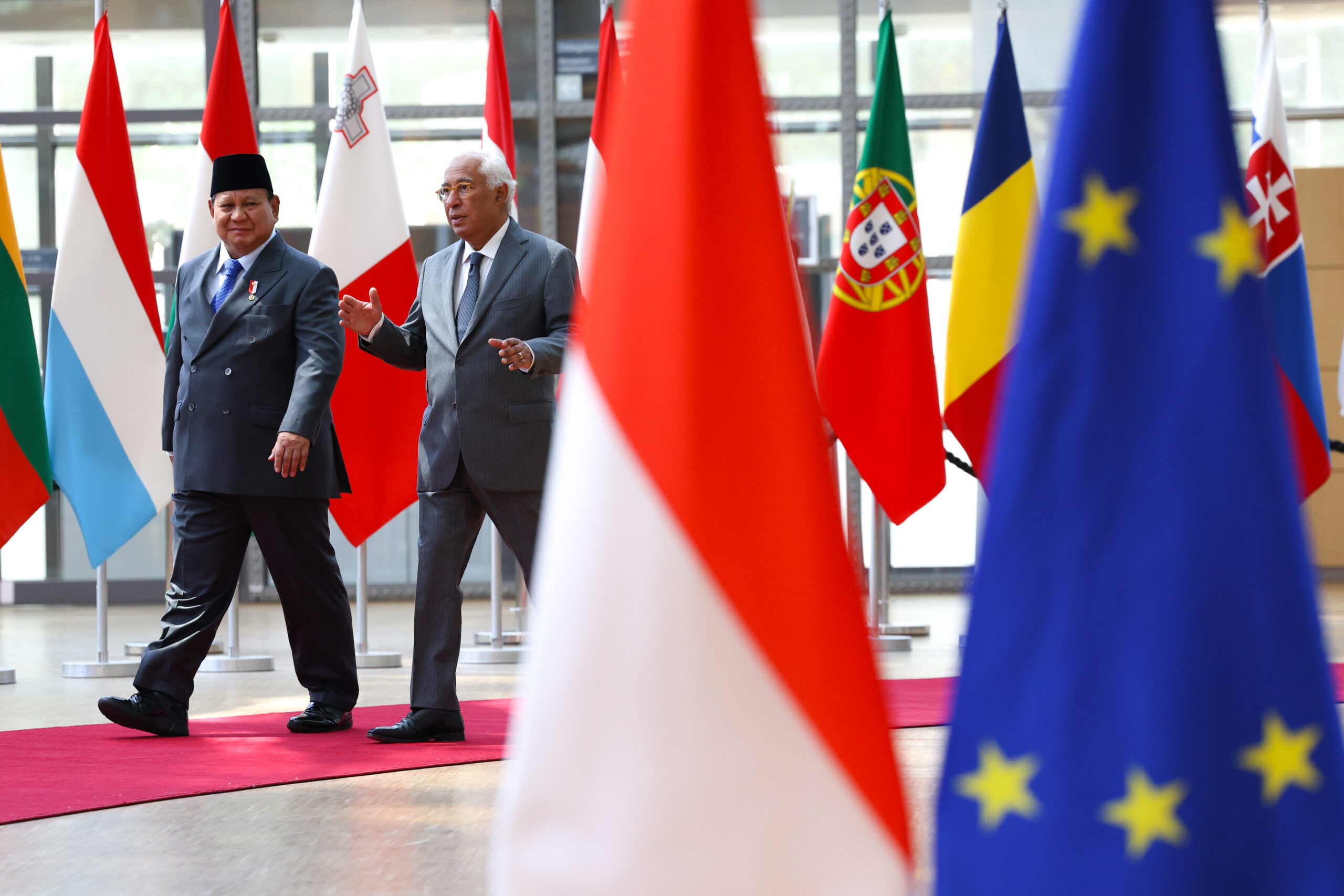
In September 2025, the EU and Indonesia finalised negotiations on a Comprehensive Economic Partnership Agreement (CEPA), following almost a decade of negotiations. The agreement still needs to go through the EU’s legal and ratification procedures, but it represents an important step towards closer economic relations with one of Southeast Asia’s largest economies. Bilateral trade in goods reached almost €29 billion in 2025.
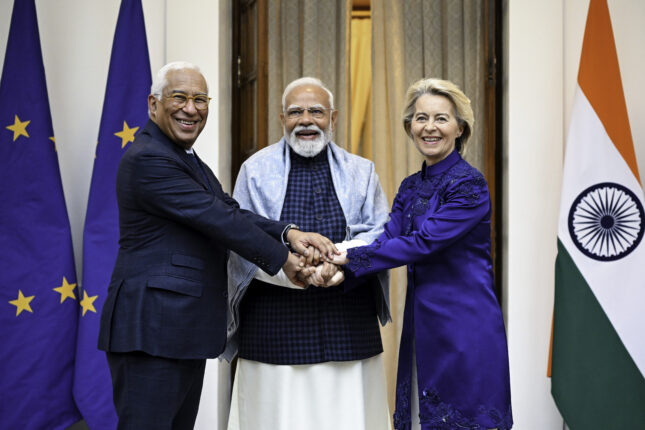
Then came India. On 27 January 2026, the EU and India concluded negotiations on a landmark Free Trade Agreement. The agreement covers a market of around 2 billion people and is described by the European Commission as the largest FTA ever concluded by either side. It is expected to eliminate or reduce tariffs on more than 96% of EU goods exports to India and could potentially double EU goods exports to the country by 2032.
For European industry, this is particularly significant. India has traditionally maintained relatively high tariffs and important market-access barriers. Improved access therefore has the potential to create new opportunities for European companies.
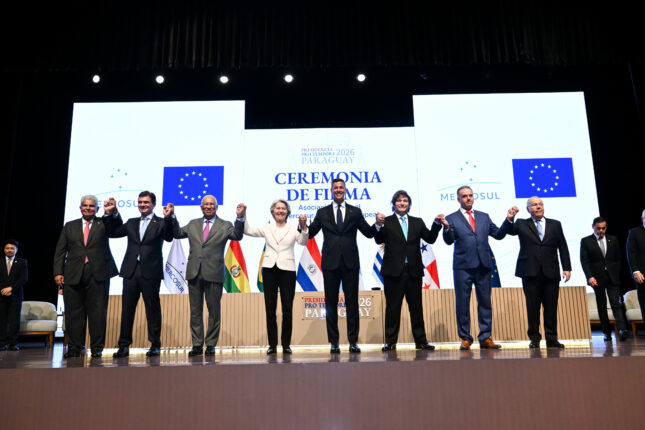
Mercosur represents another major breakthrough. After more than 25 years of negotiations, the EU and Argentina, Brazil, Paraguay and Uruguay signed the EU-Mercosur Partnership Agreement and an Interim Trade Agreement on 17 January 2026. The interim agreement has been provisionally applied since 1 May 2026.
Mercosur is particularly important for European exporters because it has traditionally been a highly protected market. The agreement progressively removes tariffs and reduces other barriers affecting European industrial exports, including machinery, vehicles and automotive components. For example, duties on EU internal-combustion-engine cars are being reduced from 35% to 17.5%, while tariffs on machinery and appliances are being progressively dismantled.
The agreement also has a wider strategic dimension. Mercosur was one of the last major economic blocks in Latin America with which the EU had not established a preferential trade relationship.
The momentum has continued.
In March 2026, the EU and Australia concluded negotiations on a Free Trade Agreement. Australia is an important partner not only as a market for European goods and services, but also because of its role as a supplier of critical raw materials and its strategic position in the Indo-Pacific. The agreement is currently going through the adoption and ratification process.
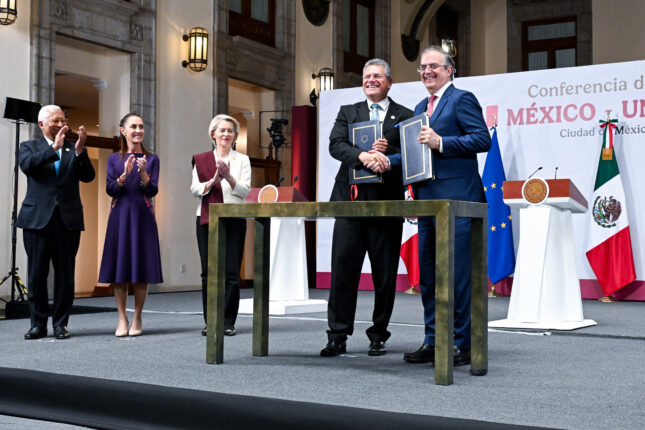
And in May 2026, the EU and Mexico signed a modernised Global Agreement and an Interim Trade Agreement, updating the framework governing their economic and political relationship.
Taken together, these developments mark a significant expansion of the EU’s preferential trade network.
Not all trade agreements are the same
It is worth making an important distinction. Not every agreement in the EU’s network is technically a Free Trade Agreement.
The EU’s trade relationships take several forms.
- Free Trade Agreements provide reciprocal market access and typically address tariffs, services, public procurement, intellectual property, technical barriers and other trade rules. Examples include agreements with Japan, South Korea, Canada, Singapore, Vietnam and New Zealand.
- Association Agreements can include a substantial trade component while covering a much broader political and economic relationship. The EU’s agreements with countries such as Ukraine, Moldova and Georgia fall into this category, incorporating Deep and Comprehensive Free Trade Areas (DCFTAs) that provide extensive market access and bring partner countries’ trade-related rules closer to EU standards.
- Economic Partnership Agreements, particularly with countries in Africa, the Caribbean and the Pacific, combine trade liberalisation with development objectives. They go beyond conventional free-trade agreements by taking account of the economic and social circumstances of partner countries and including cooperation and assistance.
- Finally, the EU also has customs union arrangements, most notably with Türkiye, as well as preferential market-access schemes such as the Generalised Scheme of Preferences for developing countries.
The type of agreement should not be confused with its legal status. An agreement may have been negotiated but not yet signed. Once signed, it may still require approval or ratification before it can fully enter into force. Depending on the nature and scope of the agreement, the EU’s internal procedures can also differ.
The EU-India agreement, for example, concluded negotiations in January 2026, but the agreement will only become binding after signature and completion of the respective internal procedures. Indonesia is at a similar stage, with negotiations finalised in 2025 and the agreement now moving through the adoption and ratification process.
Mercosur, by contrast, has already reached provisional application, while the full Partnership Agreement still requires ratification.
The next frontier: Asia and the Gulf
The EU’s trade agenda does not stop with the agreements concluded or signed over the past 18 months.
Negotiations are continuing with several important partners, including Malaysia, the Philippines and Thailand in Southeast Asia. The EU is also pursuing negotiations with the United Arab Emirates, while discussions with other partners continue in parallel.
This geographical focus is significant.
The Indo-Pacific is becoming increasingly important to the global economy, while the EU is seeking to reduce excessive dependencies and diversify its supply chains. Stronger economic relationships with countries across the region can therefore serve two purposes at the same time: opening new markets for European companies and broadening the range of Europe’s trading partners.
This is also where trade policy increasingly intersects with economic security.
Openness as an instrument of strategic autonomy
For European industry, the debate should therefore not be framed as a choice between strategic autonomy and openness.
Europe needs both.
Luxembourg illustrates why. Its resilience and competitiveness depend on access to a broad range of markets, suppliers, technologies and investment partners. Strategic autonomy should therefore not be understood as self-sufficiency or as a retreat from international trade. Rather, it should mean greater choice and resilience: diversified supply chains, more trading partners and reliable access to international markets.
Trade agreements can contribute directly to this objective. They can reduce tariffs faced by European exporters, improve access to services and public procurement markets, facilitate investment and establish common rules. They can also help European companies compete on more equal terms in markets where competitors from other countries already benefit from preferential access.
This matters at a time when European companies face intense competitive pressure from the United States, China and other emerging economies. And trade agreements are relevant not only for large multinationals: by reducing tariffs and regulatory barriers, they can also help smaller companies enter new markets and expand internationally.
From agreements to competitiveness
Yet negotiating agreements is only part of the challenge. The real test is whether European companies can make effective use of them.
Complex rules of origin, customs procedures, regulatory requirements and limited awareness can prevent businesses, particularly SMEs, from fully benefiting from preferential market access.
The EU’s renewed trade push should therefore go hand in hand with effective enforcement, simplification and implementation. The objective is clear: turning trade agreements from political achievements into tangible competitive advantages for European businesses.
Why does this matter for Luxembourg?
The relevance is particularly clear for Luxembourg’s internationally oriented economy. From steel and advanced manufacturing to logistics, space, technology and traded services, its business ecosystem is deeply connected to European and global markets.
The EU’s agreements with India, Mercosur, Indonesia, Australia and Mexico can create opportunities not only through direct exports, but also through European value chains. Broader trade relationships can also help diversify markets and supply chains, reducing excessive dependencies.
For Luxembourg, the opportunities are particularly relevant for sectors such as steel and advanced manufacturing, automotive suppliers, industrial equipment, logistics, space, and ICT and business services. Companies can benefit both from direct exports to these markets and from stronger positions in European value chains. The challenge is to turn these opportunities into real business.
A more open Europe in a less open world?
The paradox of today’s trade environment is that, as the global economy becomes more fragmented, the European Union is seeking to expand rather than restrict its network of economic partnerships.
India, Indonesia, Mercosur, Australia and Mexico illustrate the scale of this ambition. Malaysia, the Philippines, Thailand and the Gulf point towards the next phase.
The EU cannot control the direction of global trade. But it can choose how it responds. For European industry, the answer should be clear: maintain openness, diversify partnerships, and insist on reciprocity and fair competition. In an increasingly uncertain world, a broad network of reliable trading relationships is not a weakness. It is an asset, and an important component of Europe’s strategic autonomy.
EU Trade Agreements
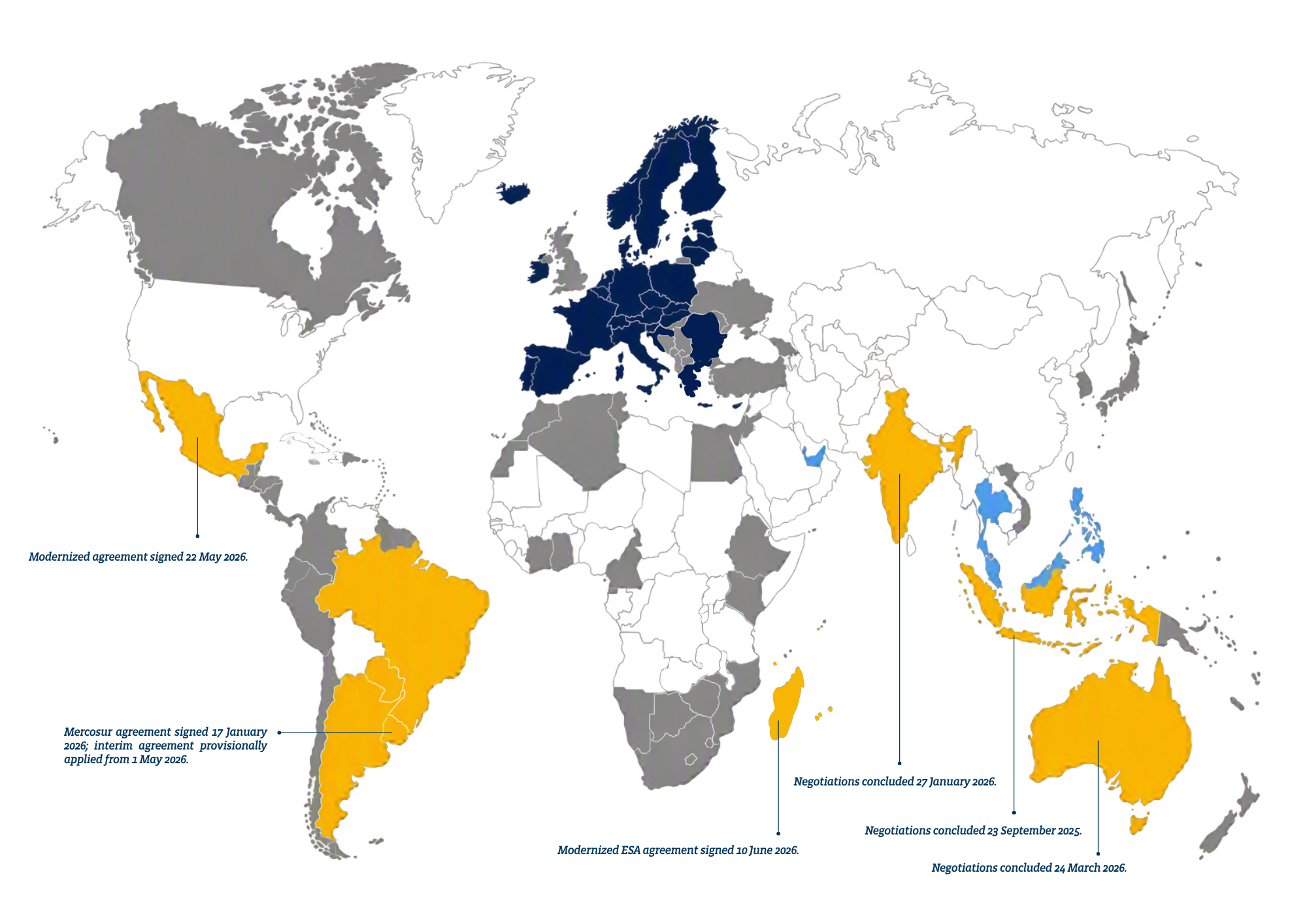

Source: European Commission; status as of September 2026. The EU’s trade network includes different types of agreements, including free trade agreements, association agreements, economic partnership agreements and customs unions.