|
Getting your Trinity Audio player ready...
|
When he founded Petro-Center in 2000, Paul Kaiser did not simply set up a ‘standard’ fuel distribution company.
He laid the foundations for a group which, more than twenty-five years later, ranks among the major players in Luxembourg’s energy sector. A journey built on a firm conviction: to stand out, you have to dare to take the lead.
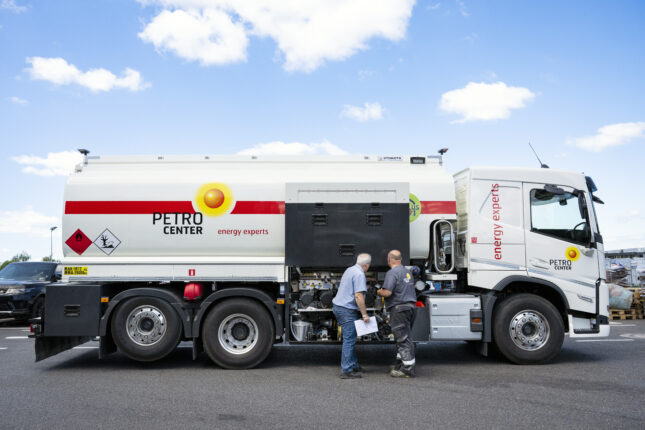
‘Be the first’: this philosophy has guided the Luxembourg entrepreneur from the very start of his venture. At a time when the market was dominated by large international groups, Paul Kaiser chose to focus on a Luxembourg-based family business, capable of growing thanks to its close ties with customers and its responsiveness. Initially active in the bulk delivery of heating oil and motor fuels, the company quickly distinguished itself through an integrated business model and high-quality service. Even today, Petro-Center remains one of the country’s few suppliers of petroleum products to have its own fleet of drivers to carry out its deliveries.
The year 2001 marked a turning point with the acquisition of its first petrol station. This decisive step paved the way for an ambitious growth strategy.
Transforming the petrol station into a community hub
The real leap in scale came in 2015, when Esso sold its network of service stations in Luxembourg. Petro-Center seized this major opportunity. True to its founder’s entrepreneurial spirit, the group did not merely operate service stations: it reinvented their role.
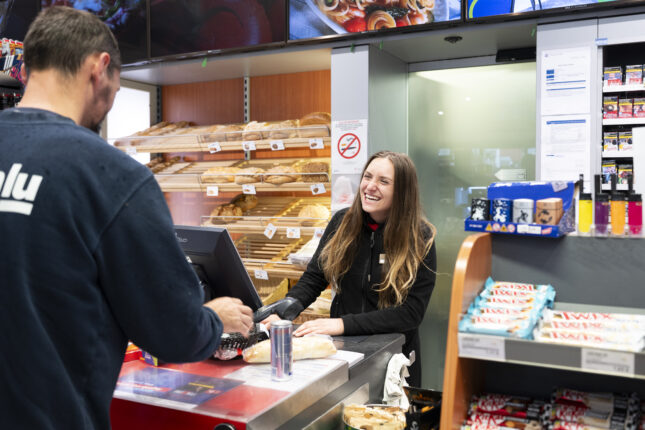
The idea is simple yet innovative: to transform the service stations into genuine service centres capable of meeting the day-to-day needs of motorists and road professionals. This led to the creation of the ‘One Stop’ shops, open seven days a week and offering a wide range of food and non-food products.
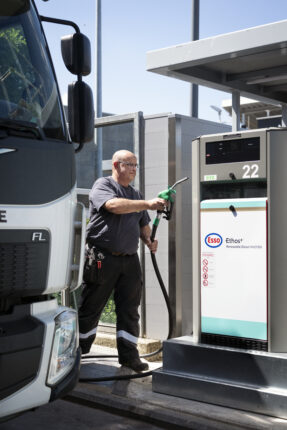
This diversification is accompanied by ongoing investment in the customer experience. Today, the network comprises 22 Esso stations, one Q8 station and the Les Tigres station, all operated directly, as well as several partner stations. Behind this expansion are nearly 800 staff members who contribute daily to the group’s various activities, with Patrick Schnell taking over as managing director in 2023.
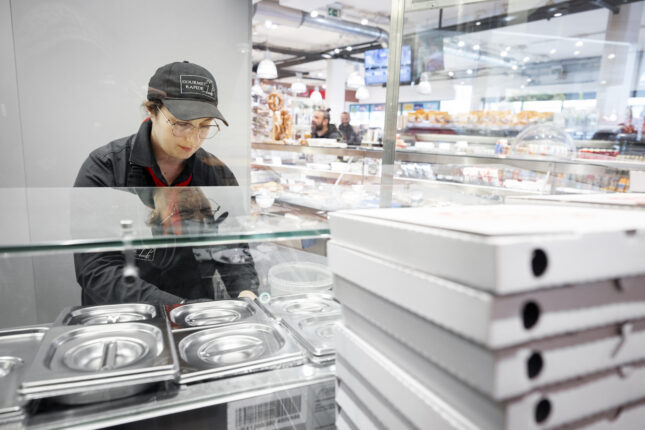
Catering is one of the cornerstones of this strategy, with more than 70 staff working in this sector. Launched in 2009, the in-house brand Gourmet Rapide is present at 18 outlets and offers high-quality fast food prepared on-site by professional chefs, showcasing local produce through the ‘Made in Luxembourg’ label.
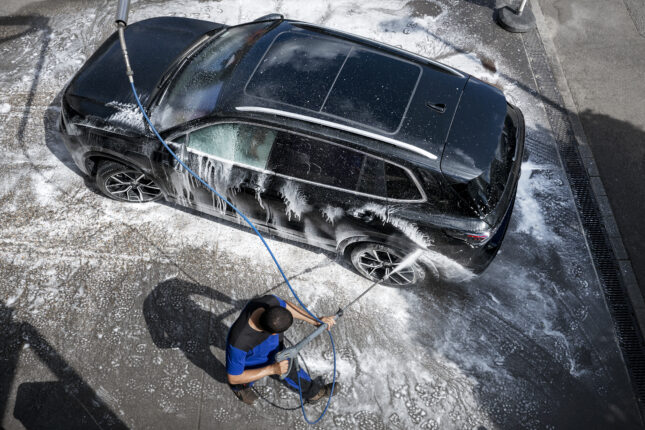
Innovation also takes the form of more unexpected concepts. On the initiative of Paul Kaiser’s wife, two Floral Design shops were opened to bring a warmer touch to the service stations and further expand the range of services offered to customers. The group is also developing complementary activities such as BestWash car wash centres, L’Annexe specialist shops and the distribution of own-brand lubricants and gas.
This ability to devise new services reflects a single ambition: to turn every petrol station into a multifunctional space where people come for much more than just a top-up of fuel.
Accelerating the transition to electric mobility
Like the rest of the sector, Petro-Center is facing a profound transformation of the energy market and decarbonisation targets. Here too, the group has chosen to plan ahead.
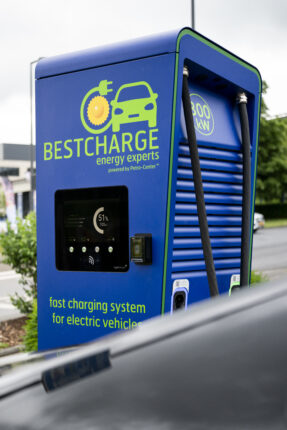
In 2022, it launched BestCharge, its brand dedicated to electric mobility. In just a few years, the network has established itself as the leading provider of fast electric charging in Luxembourg. It now has nearly 200 fast-charging points spread across the country.
Petro-Center’s strategy is not limited to installing infrastructure. The company has developed a comprehensive ecosystem incorporating the operational management of charging points, billing systems, a mobile app and a Fleet card providing access to some 950,000 charging points across Europe.
In addition to the charging points deployed at petrol stations, the group also supports public and private partners in the installation and operation of charging points. Hotels, local authorities and businesses can thus draw on the expertise developed by Petro-Center to accelerate their own energy transition.
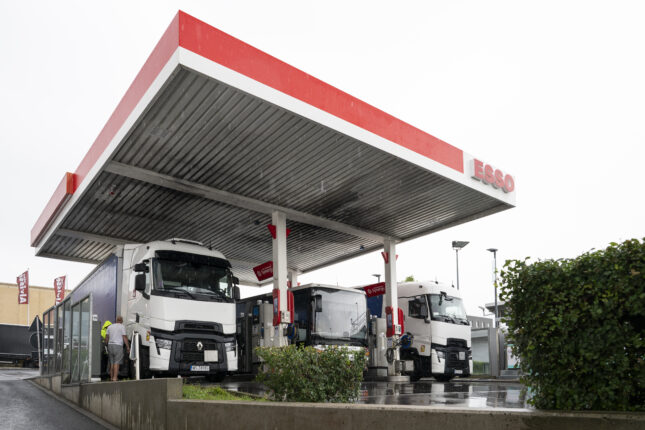
This strategic focus represents a considerable financial investment. Over the last few years, Petro-Center has invested around 20 million euros in electromobility, charging infrastructure and the development of digital solutions for both business and private users. The company is already preparing for the next stage: charging heavy goods vehicles, a market set to play a decisive role in the decarbonisation of freight transport.
The company is therefore working on several projects focused on electric heavy goods vehicles, including a major investment planned in Belgium with the creation of a ‘Truck Stop’ in Habay. This large-scale project is due to start later this year and illustrates both the opportunities and challenges of electrification, particularly in terms of grid connection and land availability, especially in Luxembourg.
At the same time, the group is continuing to invest in renewable energy through the gradual installation of solar panels at all its service stations.

Technology driving new applications
Innovation at Petro-Center goes far beyond infrastructure. It also involves the digitalisation of services. In a highly competitive market, the group has developed its own Fleet Card for business customers. This enables the centralisation of refuelling and recharging operations whilst offering expanded access to various partner networks.
The same approach is evident in the BestWash app, which allows users to take out subscriptions, manage their car washes and access preferential rates via their smartphone.
HVO: an immediate response to climate challenges
Whilst electrification is a key pillar of the energy transition, Petro-Center believes that it cannot, on its own, meet all short- and medium-term mobility needs.
For certain applications, particularly in heavy goods transport, emergency services or long-distance coaches, electric alternatives remain limited due to technical, operational or economic constraints. It is against this backdrop that the group is also focusing on HVO100 (Hydrotreated Vegetable Oil), a renewable diesel produced from waste vegetable oils and recycled animal fats.
Introduced in 2026 at the Esso service station in Leudelange and also available in bulk, this fuel reduces greenhouse gas emissions by at least 85 per cent over its entire life cycle compared with conventional diesel. Compatible with many existing engines, it offers an immediately available solution for reducing the carbon footprint without requiring heavy investment in new vehicles.
For Petro-Center, HVO therefore represents a particularly suitable transition fuel for commercial fleets. It enables significant emissions reductions to be achieved today, whilst awaiting the large-scale roll-out of other low-carbon technologies. A supportive public policy aimed at strengthening HVO’s competitiveness against conventional diesel could play a decisive role in accelerating its wider adoption.
A forward-looking family business
A quarter of a century after its foundation, Petro-Center remains 100 per cent owned by a Luxembourg family. Under the leadership of Patrick Schnell, the group is continuing the momentum set by its founder: investing, anticipating market developments and continually diversifying its activities.
A success story built on an initial willingness to take risks, fuelled by constant innovation and driven by the same determination for the past twenty-five years: always staying one step ahead.